Food and nutrition security is an important contributor to achieving both the human and economic development agenda of our country. The Constitution of Kenya 2010 Article 43 (c) assures Kenyans of the right to be free from hunger and to have adequate food of acceptable quality.
However, rapid population growth, high poverty levels, unsustainable production systems and climate change pose the biggest challenge to sustainable food production, consumption expectations and patterns. Every year, Kenya experiences a deficit in staple foods as the overall national food production has not increased in tandem with population growth.
The situation has been exacerbated by increasing urbanization that has seen a reduction in agricultural land as this is converted into residential places.
This scenario is likely to continue into the future. Thus, more effort and strategies are needed to increase food production and productivity to satisfy demand for food, both current and future, by the increasing population, against a background of diminishing agricultural spaces.This is the first reason that led to the formation of Victoria Fresh.
Background
Rapid population growth and high poverty levels.
Rapid population growth and high poverty levels also affect long-range planning of community health and medical facilities in the country.
The effect is felt in terms of access, level of care and the load on the facilities themselves. Improving health security at the community level, and collaborating with partners to impact the health and wellbeing of these people is an exceptional investment.
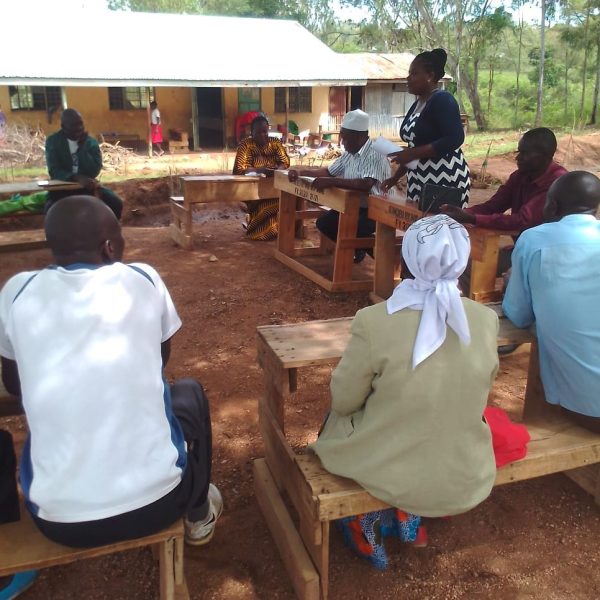
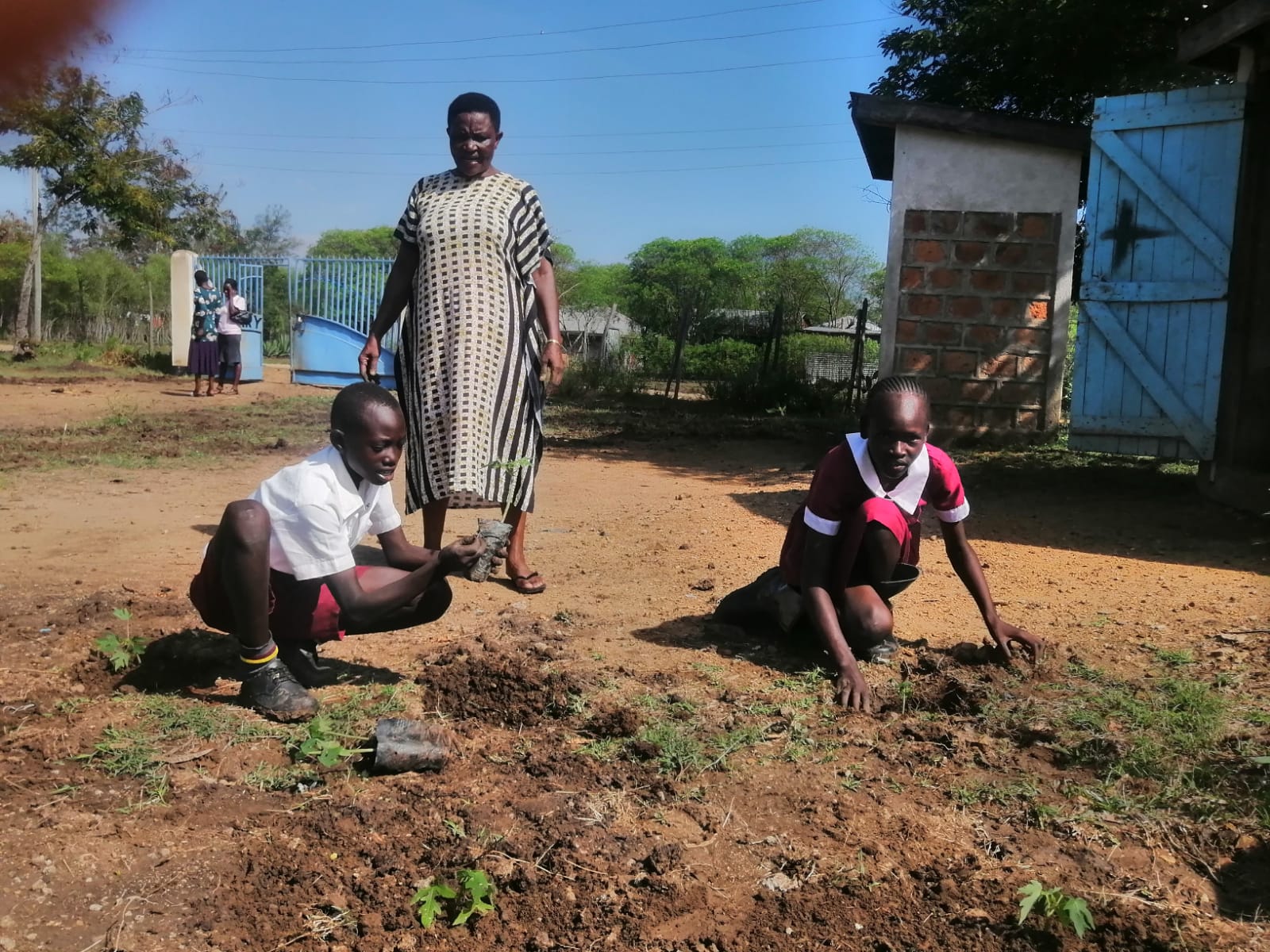
Food and nutrition is one of the most important contributors to human health. A healthy diet can help prevent and manage a number of non-communicable diseases (NCDs) such as diabetes, heart disease, stroke, and some cancers. Good nutrition is important for physical and mental development, and it allows people to reach their full potential in terms of productivity. Victoria Fresh is helping in this area by sensitizing people in the community about the importance of a healthy diet, what it is and how they can develop some of these foods in a sustainable manner.
Background
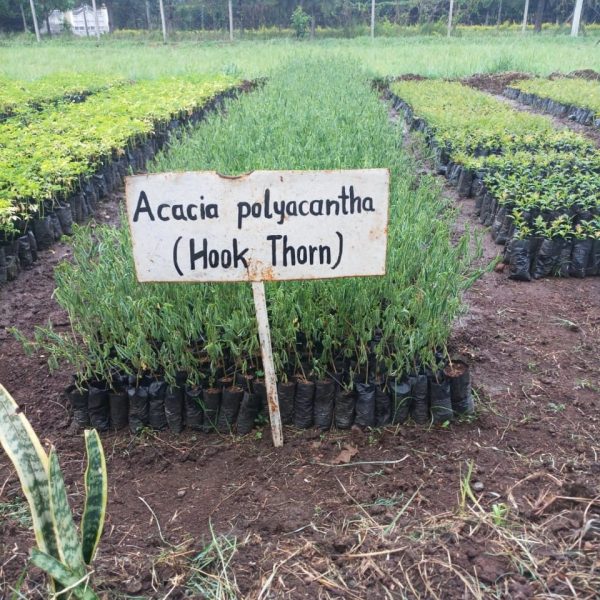
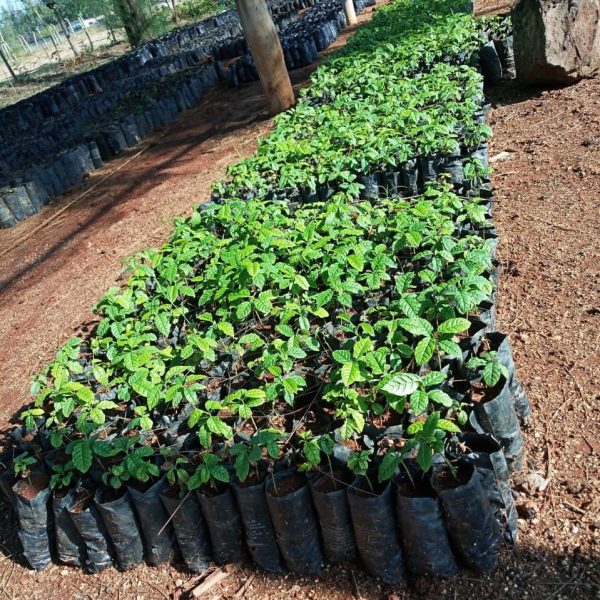
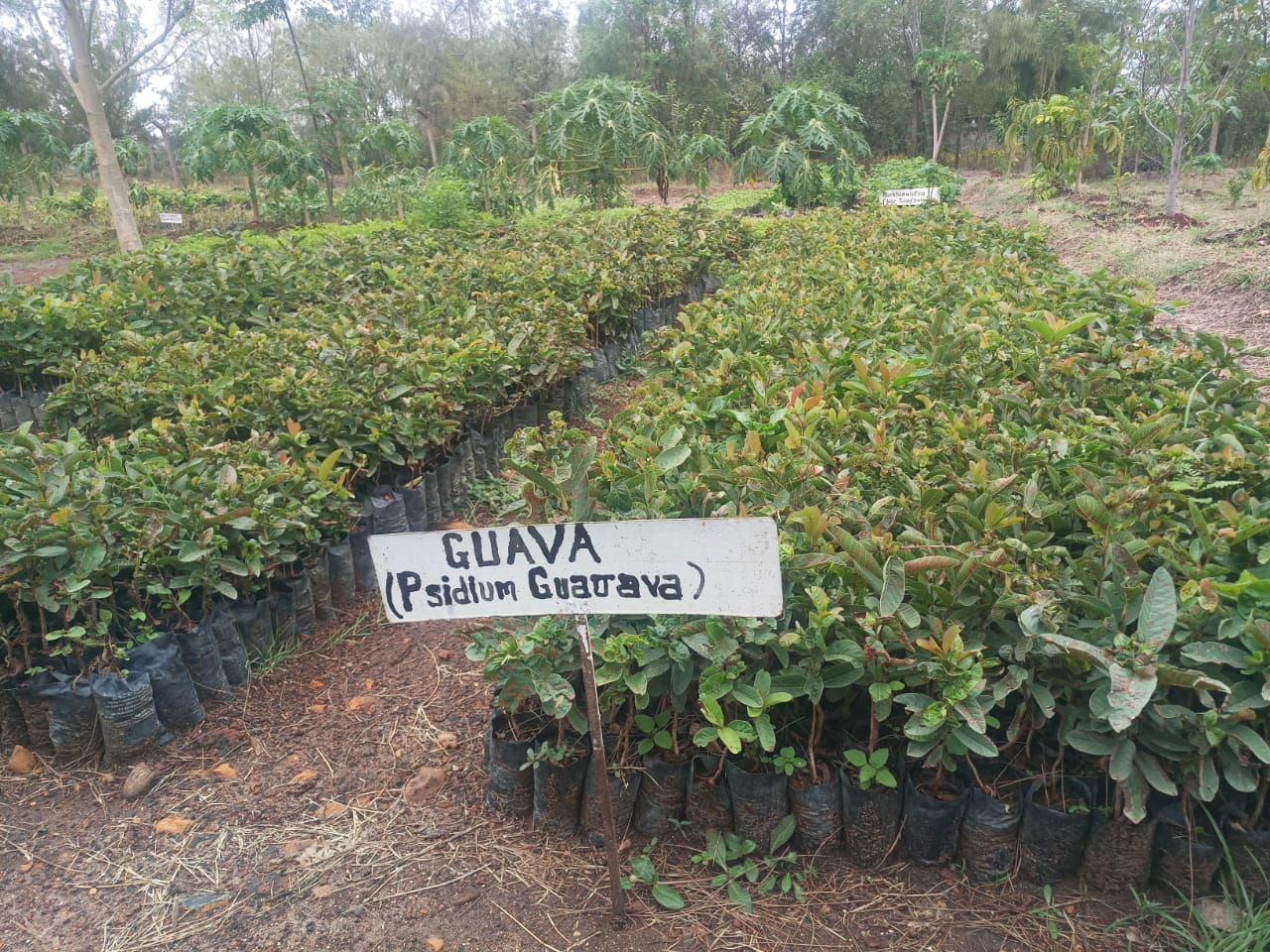
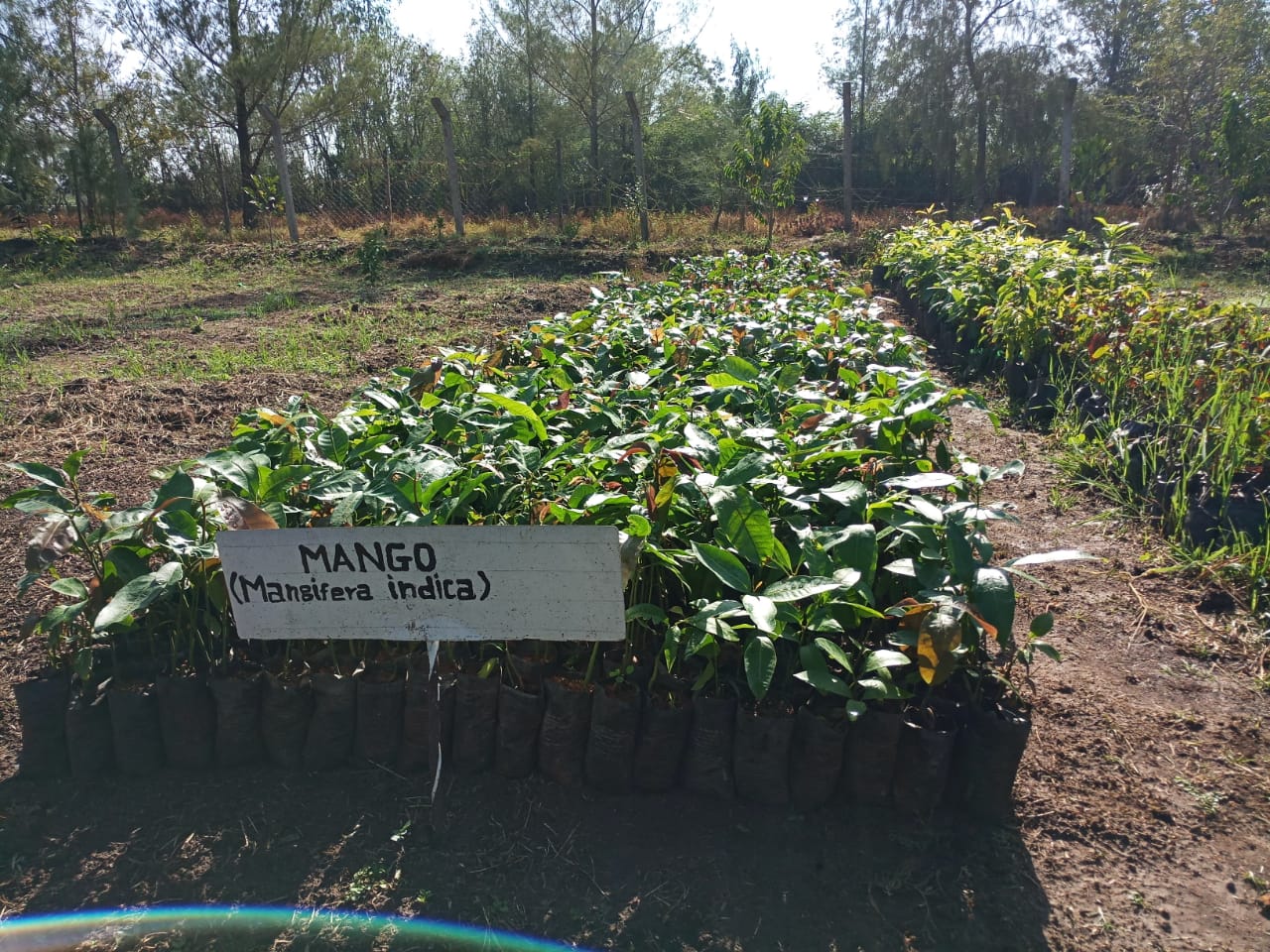
Develop seedlings for fruit trees and superfoods.
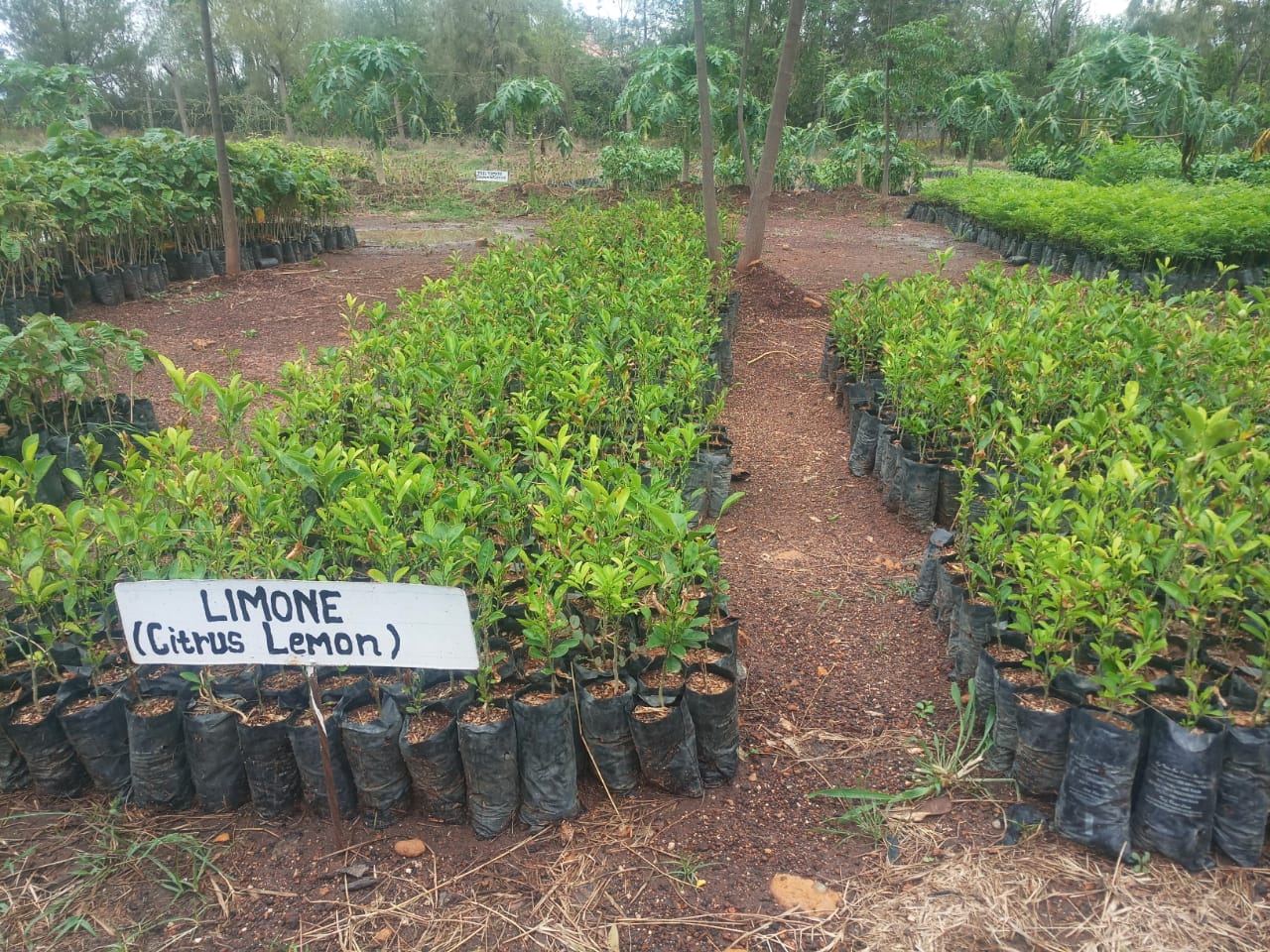
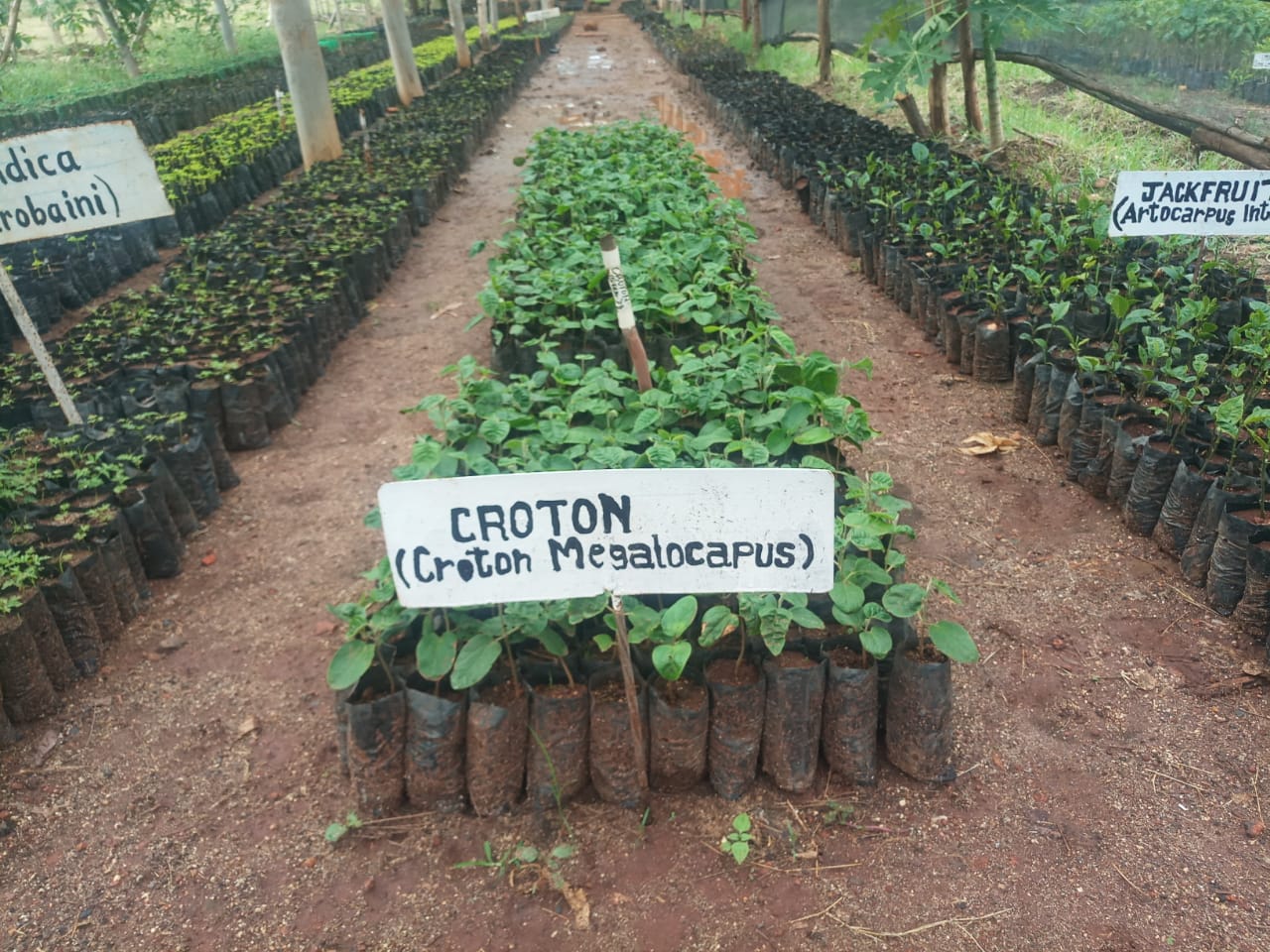
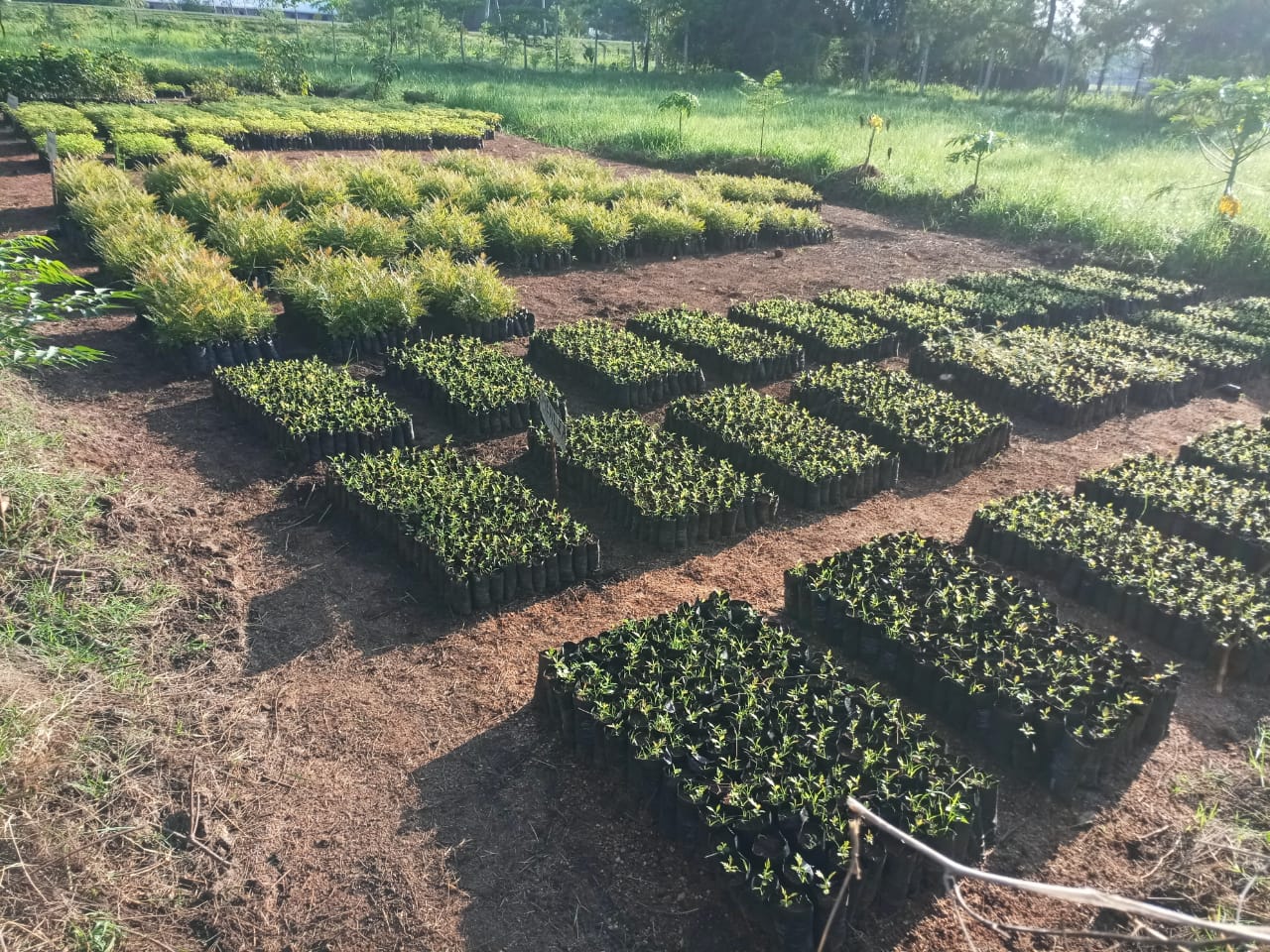
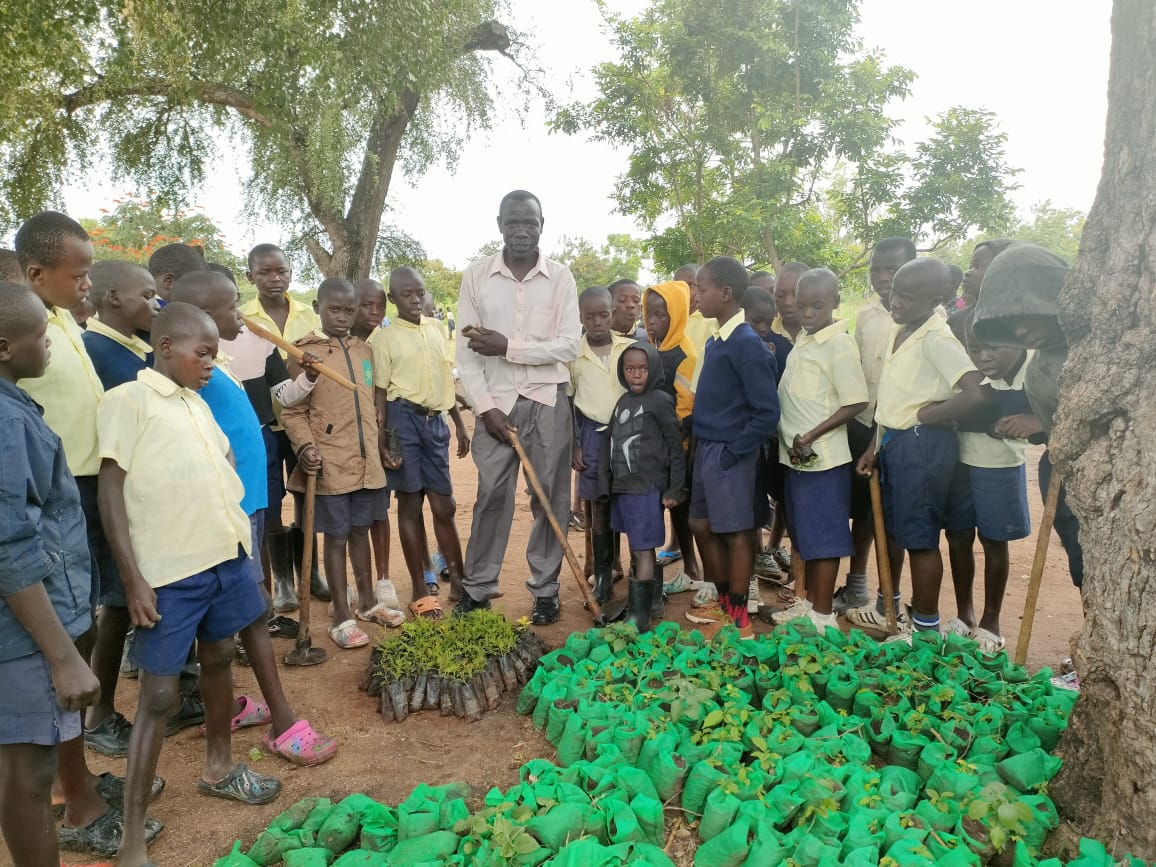
The third reason is to develop seedlings for fruit trees and superfoods for distribution to the local communities after training them on their care. According to Food and Agriculture Organization (FAO), climate change is projected to negatively impact the four pillars of food security – availability, access, utilization and stability. Forests influence climate change largely by affecting the amount of carbon dioxide in the atmosphere. When forests grow, carbon is removed from the atmosphere and absorbed in wood, leaves and soil. Forests can absorb and store carbon over an extended period of time and are considered “carbon sinks”. This way, trees help to reduce the effects of greenhouse gases, hence global warming. Victoria Fresh contributes to this by encouraging every home in the community to grow several trees. The trees give the people food, which contributes to their health, and help in environmental conservation
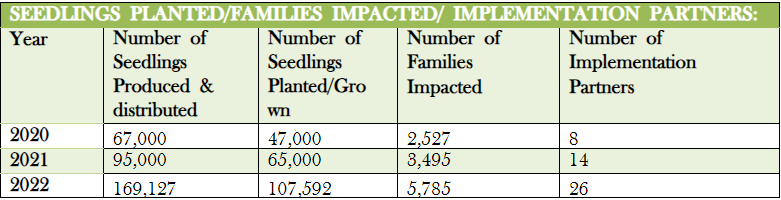
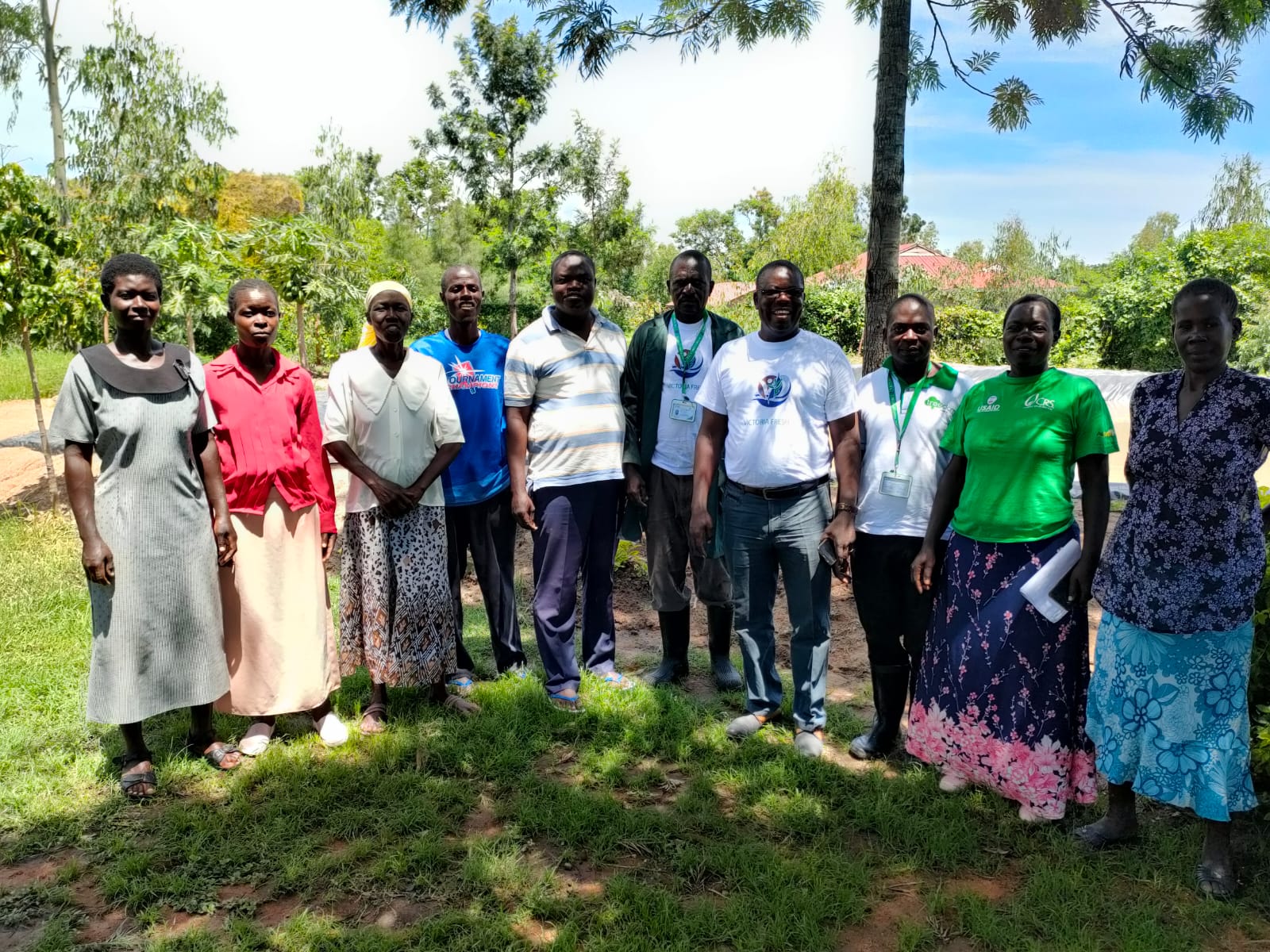
Implementation partners include: Women Groups, Self Help Societies, Community Based Organizations, Cooperative Societies, Welfare Societies, Educational Institutions, Independent tree Nurseries and Government Agencies.